
“`html
Understanding Dental Implant Surgery
Dental implant surgery is a common procedure to replace missing or damaged teeth with artificial ones that look and function like real teeth. This procedure is not only beneficial for restoring aesthetics but also for enhancing oral health and the functionality of your teeth. Like any surgical process, dental implant surgery requires a healing phase post-operation to ensure successful results.
Immediate Post-Surgery Care
Initial Recovery Period
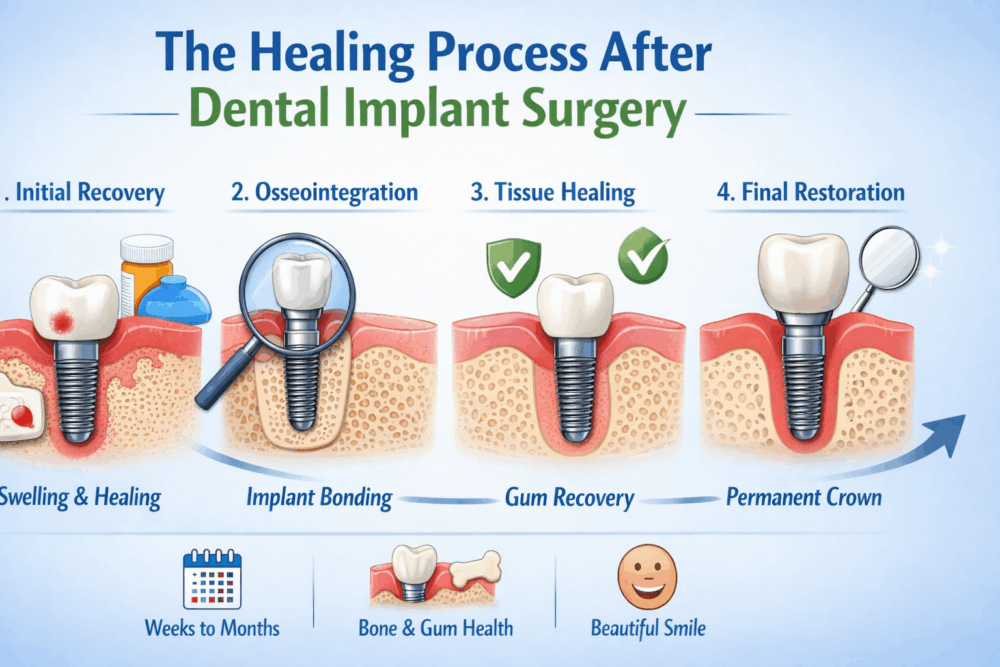
The initial days following the dental implant surgery are crucial. During this phase, your body begins the natural process of healing the surgical site. Patients can expect some swelling, bruising, and minor bleeding at the implant site.
- **Managing Bleeding:** Slight bleeding is normal during the first 24 hours. Bite on a gauze pad for 30 minutes to control it.
- **Reducing Swelling:** Use ice packs on the cheek area adjacent to the implant site to minimize swelling.
- **Pain Management:** Take prescribed pain relief medications as instructed by your dentist to manage discomfort effectively.
Dietary Adjustments
Your dietary habits will need some adjustments to promote healing. During the initial phase, it is essential to consume soft foods and avoid anything excessively hot or cold.
- **Opt for Soft Foods:** Yogurt, mashed potatoes, and smoothies are gentle on your healing mouth.
- **Stay Hydrated:** Drink plenty of water, but avoid using a straw to prevent dislodging the blood clot.
- **Balanced Nutrition:** Ensure your diet is rich in vitamins and proteins to aid tissue repair.
The Healing Phase
Osseointegration
Osseointegration is a vital phase of the healing process where the implant integrates with the jawbone. This process takes several weeks to several months and is foundational for a strong and stable dental implant.
- **Duration:** Typically, this occurs between 3 to 6 months post-surgery.
- **Impact on Stability:** Successful osseointegration ensures the implant can withstand normal biting and chewing forces.
Regular Dental Check-ups
Frequent follow-up appointments with your dental professional are crucial during the healing phase. These visits allow for monitoring the implant’s progress and catching early signs of any complications.
- **Schedule Regular Visits:** Attend all follow-up appointments to ensure optimal implant health.
- **Professional Cleanings:** Regular cleanings help prevent plaque buildup around the implant site.
Long-term Care and Maintenance
Daily Oral Hygiene
A commitment to excellent oral hygiene is essential to preserve the health of your dental implant.
- **Brushing:** Use a soft-bristled toothbrush to clean all surfaces of your implant thoroughly.
- **Flossing:** Use implant-friendly dental floss to prevent gum inflammation and infection.
- **Mouth Rinse:** Consider using an antimicrobial mouthwash to reduce bacteria.
Avoiding Harmful Habits
To ensure the longevity of your dental implant, it’s crucial to avoid habits that could damage it.
- **Avoid Smoking:** Smoking can impede healing and increase the risk of implant failure.
- **Protect Against Grinding:** Wear a mouth guard if you have a habit of teeth grinding (bruxism).
Conclusion
The healing process after dental implant surgery is a critical period that demands careful attention and patient cooperation. By following the recommended guidelines for post-operative care, dietary adjustments, and maintaining excellent oral hygiene, you can significantly increase the likelihood of successful implant integration and enjoy the functional and aesthetic benefits of your new dental implants.
“`